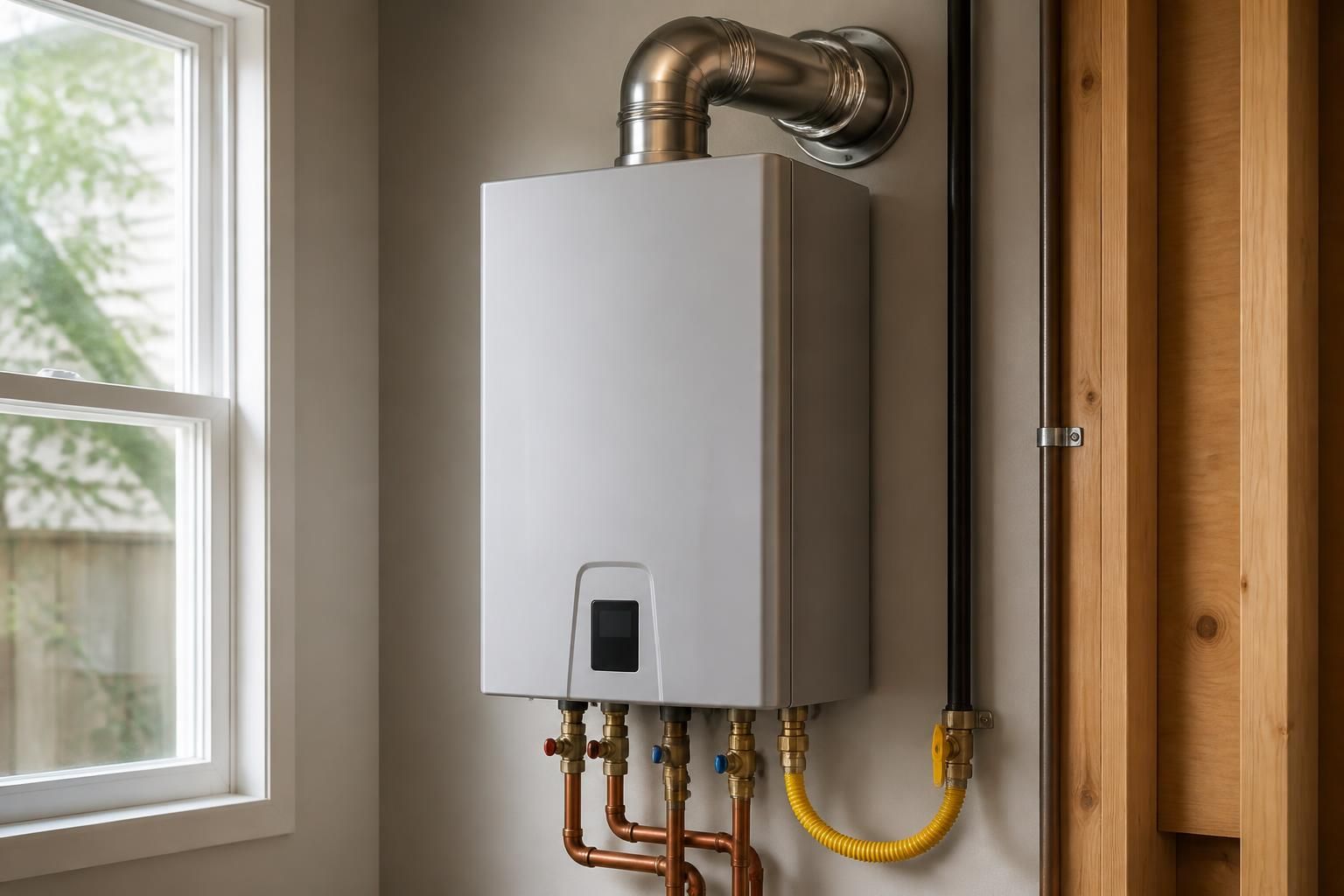
Hot water that turns lukewarm, a pilot light that will not stay lit, or a burner that keeps making odd noises can stop a normal day fast. If your gas water heater is acting up at your Las Vegas, NV property, the next step is to have it checked before a small problem turns into a larger repair or a full replacement.
Elite Water Heater Repair Las Vegas handles gas water heater service for homes and businesses across Las Vegas, NV. We work on common symptoms like uneven hot water, delayed heating, strange smells, sediment buildup, and ignition trouble, then match the fix to the condition of the unit.
Gas water heaters usually give clues before they quit. Catching those signs early can help you avoid cold-water surprises and reduce wear on the unit.
If the heater is leaking, making repeated ignition attempts, or sending a strong odor from the utility area, do not wait for the problem to settle down on its own. Gas water heater issues often worsen when the unit is repeatedly restarted without finding the cause.
Gas water heater service is more than relighting a pilot. We look at the heater as a system, from the gas supply connection to the tank condition and the parts that control heating.
Elite Water Heater Repair Las Vegas uses these checks to decide whether the unit needs repair, cleaning, part replacement, or a new gas water heater installation.
Different symptoms call for different fixes. A unit with scale buildup may need a sediment flush, while one with ignition trouble may need gas water heater repair. If the tank is worn out, replacement may make more sense than repeated repairs.
Repair service focuses on the parts that are preventing the heater from producing steady hot water. That may include ignition components, burner-related concerns, control issues, or a failing anode rod that is contributing to tank wear.
Sediment flush service helps remove buildup that can make the heater noisy and slow to recover. This is especially useful when the water takes longer to heat or the burner sounds rough during operation.
When a gas water heater has reached the end of its service life, a replacement can restore dependable hot water without ongoing patchwork fixes. We also handle gas water heater installation for new units when a property needs a fresh setup.
We keep the process straightforward so you know what is happening with the heater and what comes next.
This approach keeps you informed without guesswork. If the heater can be restored, we focus on that. If it is better to replace the unit, we say so clearly.
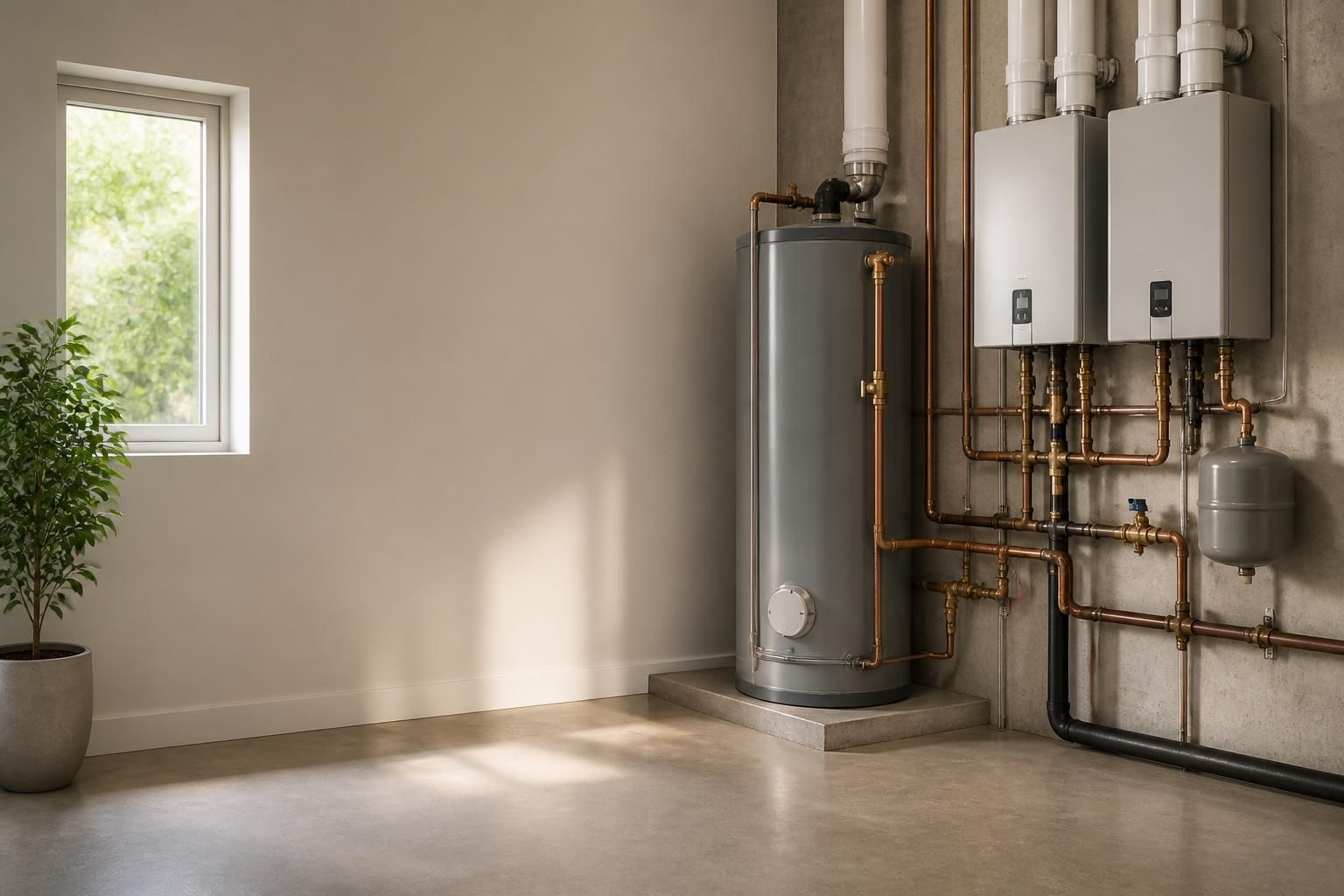
Some properties have standard gas tank water heaters, while others use tankless water heaters. Both can need attention, but they do not fail the same way.
Traditional gas tank heaters often show signs through rumbling, rusty water, reduced hot water supply, and slow recovery. Sediment buildup is a common concern because it can affect the burner and the tank’s internal condition.
Tankless water heaters can need repairs, flushing, or replacement service when they lose output, show ignition trouble, or collect buildup that affects heating performance. If your property has a tankless model and the hot water is inconsistent, we can inspect the system and recommend the right service.
A gas water heater should give steady hot water without noise, odor, or delay. A good service visit looks at both the symptom and the cause, not just the most visible issue.
For many properties, small maintenance steps like anode rod replacement or a sediment flush can add useful life to the heater. For others, a full replacement avoids repeat service calls on a tank that is already worn out.
Elite Water Heater Repair Las Vegas serves customers throughout Las Vegas, NV and nearby neighborhoods that rely on dependable hot water every day. We also work with properties in The Summit Club-Las Vegas, The Ridges-Las Vegas, MacDonald Highlands-Henderson, Queensridge-Las Vegas, Red Rock Country Club-Las Vegas, Eagle Hills-Las Vegas, Spanish Trail-Las Vegas, Tournament Hills-Las Vegas, Country Club Hills-Las Vegas, Southern Highlands-Henderson, Canyon Fairways-Las Vegas, and The Palisades-Las Vegas.
If your gas water heater is acting up anywhere across that service area, you can call us at +17022048282 or email randy@agentboomer.com to set up service at 123 Las Vegas Blvd, Las Vegas, NV.
If the burner starts making popping sounds, burns unevenly, or takes longer to bring water up to temperature, it may need inspection. Those signs often show up before the unit stops producing enough hot water.
Sediment can settle at the bottom of the tank, where it affects heating efficiency and creates noise. Over time, it can make the heater work harder and may shorten service life.
A pilot that will not stay lit may point to a problem with the gas control parts, thermocouple, draft conditions, or buildup around the assembly. It needs a closer look rather than repeated relighting.
Yes. The anode rod is designed to take on corrosion so the tank does not absorb as much wear. When the rod is consumed, the tank can be at greater risk.
If the tank has visible corrosion, repeated problems, or a long list of failing parts, replacement may be the more practical choice. We can assess the heater and explain the condition clearly.
Yes. We handle gas water heater service for residential and commercial water heater needs across Las Vegas, NV and nearby service areas.
Get Fast Help
Call to schedule help for a leaking tank, no hot water, inconsistent temperatures, tankless system issues, replacement planning, or a new installation project.